

Sustainability
We know how important it is to look after the planet that we live on for future generations to continue to enjoy. Creating sustainable timber products is at the heart of our business.
Recognising that sustainability is a journey and not a destination, Timeless Sash Windows are constantly evolving to ensure that you can be confident in the windows and doors that you choose.
We provide top quality, thermally efficient, long lasting and beautiful joinery. We have a responsibility to sustain our high standards, alongside a policy to 'Do No Harm' and ensure an equal, inclusive, and supportive workplace for our team.
From this understanding we have developed our sustainability strategy to continue to treat our raw materials, as well as our stakeholders with respect.

1. Life Cycle of Timber Windows
As published by Herriot Watt University in Edinburgh:
- Timber frames to have an expected service life of between 56 and 65 years. Acetylated timber (Accoya) frames show an expected service life of 68-80 years.
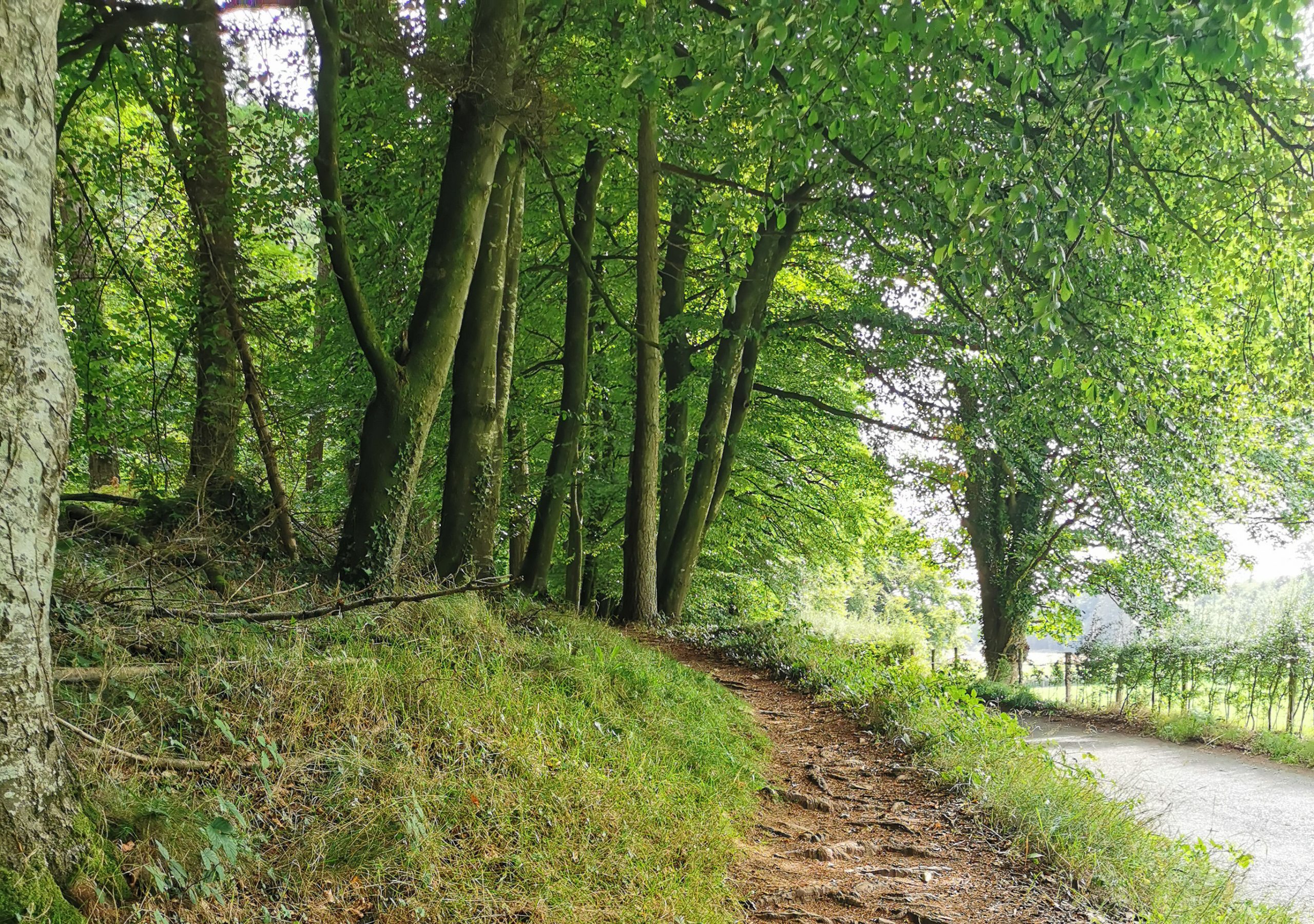
- Timber is a naturally occurring sustainable material, of which more can be grown every day. As a tree grows, the carbon is absorbed and sequestered into its very fibres. This timber stores the carbon until the end of life of the final product. During that time, on average 56 – 80 years, more trees are planted. If an equivalent amount or more trees are planted before the carbon is released, the result is a carbon-neutral product or carbon-positive product.
- Life Cycle Assessment (LCA) is an internationally recognised tool for assessing the environmental impact of products, processes and activities. This report finds that all timber based window frame materials are preferable to PVC-U alternatives in every scenario considered.
2. Circular Economy
Our global thinking and actions are shifting from a take–make–waste society (a linear economy), to one that uses safe, sustainable materials to make products that are durable and repairable.
Our windows are:
- Built to last a lifetime, repairable and recyclable
- Made to order, so there is minimum waste
- Bespoke with the timber species chosen specifically for the purpose of the joinery and it's longevity
- We can refurbish old timber windows that have been in properties for centuries with minimal waste and impact, to ensure they will last even longer and be more thermally efficient.


3. United Nations Sustainable Development Goals
The UN created 15 Sustainable Development Goals that help us to focus on future strategy with a global picture in mind.
- opportunities to positively contribute to the SDGs
- potential risks of our business hindering their achievement.
Timeless Sash Windows have chosen these 4 goals that focus on how our small business can make a maximum effective change.
Carbon
We have purchased green electricity and added 113 kW of PV panels to our main joinery. This has eleminated our Scope 2 carbon.
Our fleet has been expanding with the business, and as such our Scope 1 emissions. To combat this we have added our first EVs to the fleet, and our large fitting vans use HVO as a transtional fuel, which reduces lifecycle carbon emissions by 80% or more.
Eliminating Plastics
Through the years we have used bubble wrap as protection for our windows, during glazing and in transit.
We are delighted that we no longer use any of this plastic.
Our windows are protected using packing blankets made from recycled materials, and cardboard sheets from incoming deliveries.
These can be used over and over again and recycled at their end of use.
We have old carpuet on our finishing and glazing tables to protect the joinery.
Recycling
We practise recycling in our office and canteens.
Office waste is minimal as we consider each sheet of paper for printing. This will reduce our need for the paper itself and printing supplies.
We have added waste streams for timber, glass and we have a biomass burner for our waste timber offcuts and compressed sawdust from the extraction.
Factory Waste
The sawdust and timber shavings from our cutting machinery are extracted in the workshop.
We use this to make wood pellets which can be used in heating systems.
Offcuts are sold to local businesses for further use.
Transport
Our staff carpools where possible to get to and from our workshops to ensure minimal mileage.
We have added our first EVs to the fleet and our larger vans are using HVO as a transitionary fuel where electric vehicles are not yet recommended.
We carefully manage our fleet schedules to ensure there is no excess driving or wasted journeys.
Team & Workplace
We have a Code of Ethics and a Diversity & Inclusion Policy to ensure that our employees have equal rights and opportunities.
Traditionally joinery is an industry populated by men. However, we are delighted to welcome our first female apprentice to the joinery in 2022 and continue to employ the best people for the job whatever their background and beliefs.
Biodiversity
We have begun our journey to create a long flowering meadow at our premises in Trim. This was originally mown as a neat lawn.
We have signed the All Ireland Pollinator Plan, and pledged to reduce mowing to once annually in this area and continuing with the business suggestions in their documentation.
Refurbishment
We have increased our capacity for refurbished timber windows with a dedicated workshop solely for this purpose.
The environmental footprint is negligible as the embodied carbon remains sequestered in the old window for longer whilst providing thermal improvements to buildings in conservation areas.
Innovation
We constantly monitor the market for new technology
Vacuum insulated double glazing by Fineo offers glazing units that are as thin as single glazing yet with the thermal properties associated with triple glazed windows and an EPD.
Innovations in thermal efficiency provide greater energy efficiency in properties reducing the need to rely on fossil fuels.
Notes on Refurbished windows
-
- Preserving our architectural heritage. The windows are an important element of the design of the building, as such, preserving their original style is important for our architectural heritage. This is recognised by the Irish government as they offer annual grants towards the restoration of protected structures and buildings in zones of conservation (as defined by local councils)
- Value. Original windows add value to the building. Repairing and maintaining windows that are over a century old and have proven they can withstand wear and weather, will provide a positive impact on the authenticity of the building, thus adding value. Inappropriate replacements will reduce the attractiveness to future buyers.
- Longevity. Historic windows were originally made using high-quality slow-grown timber that can last for centuries. This pitch pine is rarely available today. Additionally they were put together by skilled joiners, using techniques still relied upon today. The life span of historic windows can be several hundred years, in comparison to poorly made timber windows in the 1970s for example, with a lifespan of 30 to 40 years.
- Possible to Repair. Timber, like uPVC and other window materials, needs to be maintained. In the case of neglect and rot, timber windows can be spliced and repaired, maintaining as much of the original timber possible and providing ease of use as in the case of a new window.
- Low environmental impact. Refurbishing timber windows follows the circular economy goals of keeping products in use as long as possible. Additionally the process of refurbishment is labour intensive, thus using less electricity (machinery) and providing local skilled employment.
- Small Carbon Footprint. The longer lifespan of a product allows the carbon to remain sequestered for the maximum amount of time.
- Upgrade for thermal efficiency. A newly refurbished window by Timeless Sash Windows will have modern draught sealing and optional double glazing which will greatly improve thermal efficiency, acoustics and preserve aesthetics.