

Award winning Heritage and Renovation Project
19/03/2026
The Complete Guide to Sash Windows – Part 1 – HISTORY
02/07/2026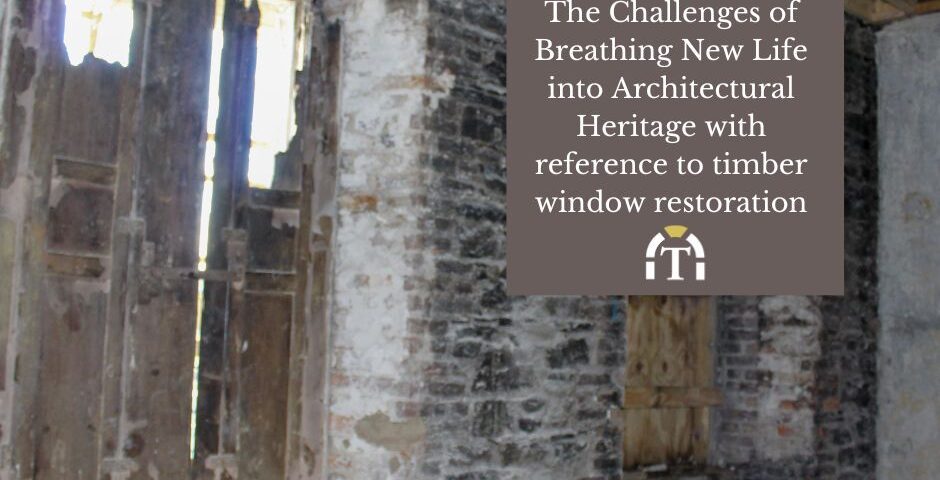
This post was inspired by a question recently posed at a RIAI CPD on timber window restoration and conservation, that we presented in Dublin, about the challenges surrounding repurposing historic buildings for new uses. It has sparked a lively discussion and thought process.
We stand at a critical juncture in shaping our urban landscapes. Our historic buildings, filled with stories etched in stone and timber, are not just relics of the past; they are dynamic assets crucial to urban vitality and the preservation of our shared cultural heritage. The challenge, and also the opportunity, lies in renewing these spaces, allowing them to adapt to modern living standards while safeguarding their aesthetic integrity and historical significance.
Benefits of historic buildings
We all understand the value of these buildings. Beyond their intrinsic beauty, they offer unique economic benefits – drawing in tourists, fostering local businesses, and often commanding higher property values. Environmentally, repurposing existing structures champions sustainability by reducing waste and harnessing the “embodied energy” of past construction. Additionally, socially, these districts are the very heart of our communities, fostering a sense of identity and belonging that new builds, however well-intentioned, struggle to replicate.
The core of our mission, however, is a delicate balancing act. How do we introduce contemporary uses – be it a bustling co-working space in a former linen mill, modern apartments or offices within a Georgian townhouse, or a vibrant retail hub in a Victorian market hall – without compromising the very essence that makes these buildings special? The technical skills are beyond the scope of this blog post, however, let’s keep in mind that these are more than just walls.
The Challenge of Repurposing
The process of renewing historic districts is complex, demanding a deep understanding of conservation standards, cultural values, and the intricate dance between old and new. Architects, in particular, face the formidable task of navigating rigorous restoration requirements. This isn’t just about structural integrity; it’s about a nuanced appreciation for the building’s narrative and ensuring that any intervention enhances, rather than detracts from, its rich heritage.
Traditional design methodologies, while foundational, often fall short. The systematic analysis, conceptualisation, and iterative modifications can, surprisingly, lead to a “deterioration of information flow.” This isn’t a flaw in our intentions, but rather a risk that, without vigilant oversight, can steer a project away from its historical roots and introduce jarring stylistic deviations. Moreover, the classification of individual architectural elements, while helpful, frequently fails to capture the holistic aesthetic that defines a historic area. We need deeper insight, a more intuitive grasp of the collective visual impact, and truly innovative design skills to succeed.
The Window into History
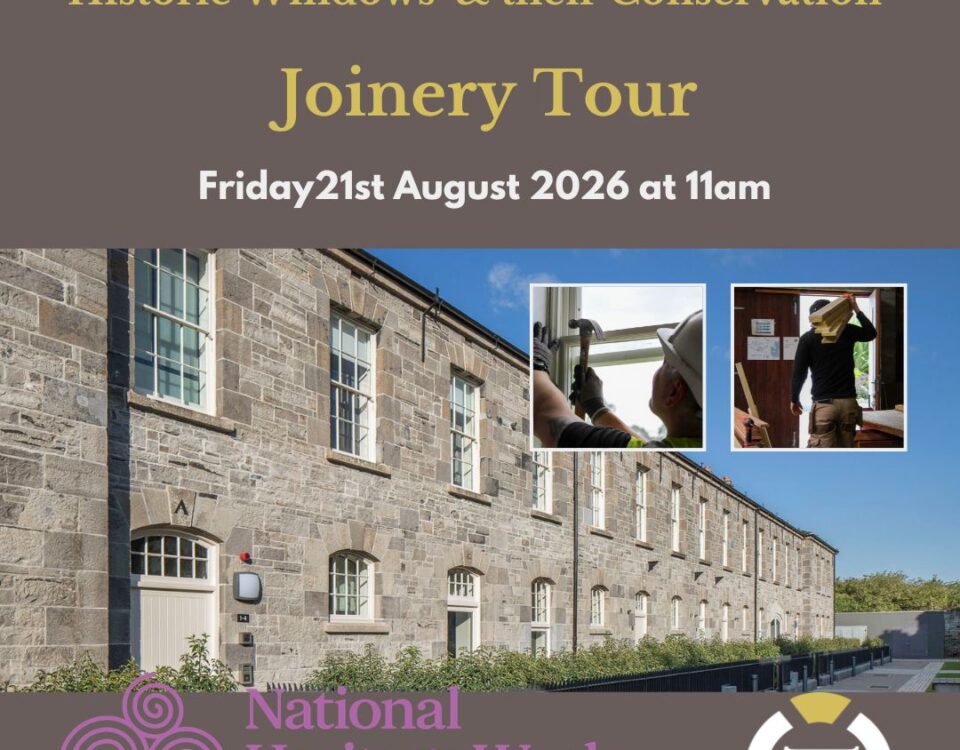
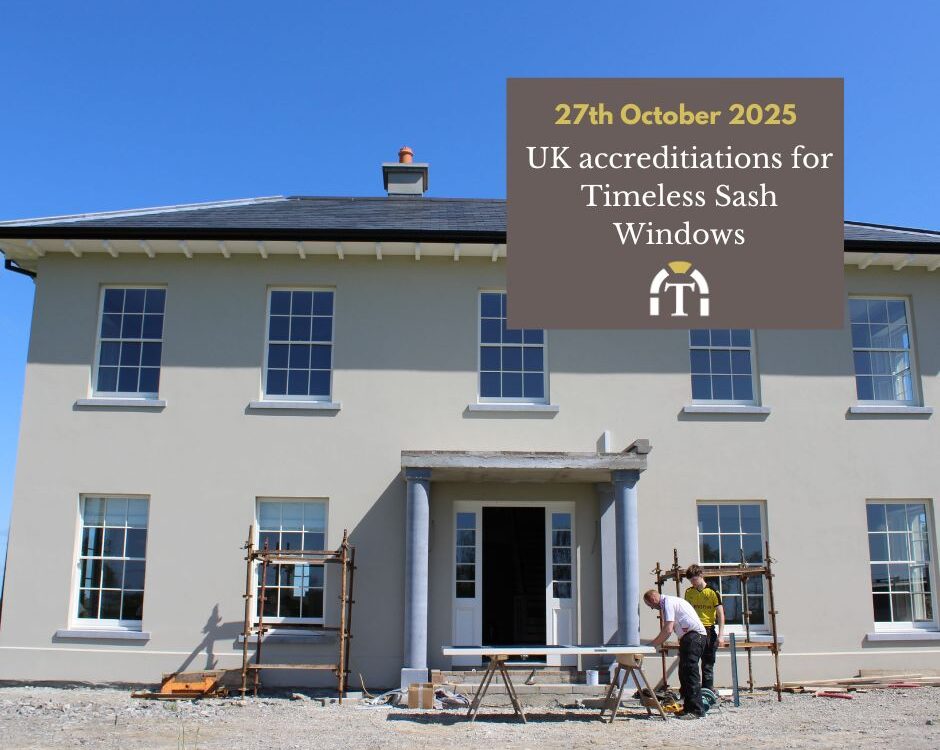
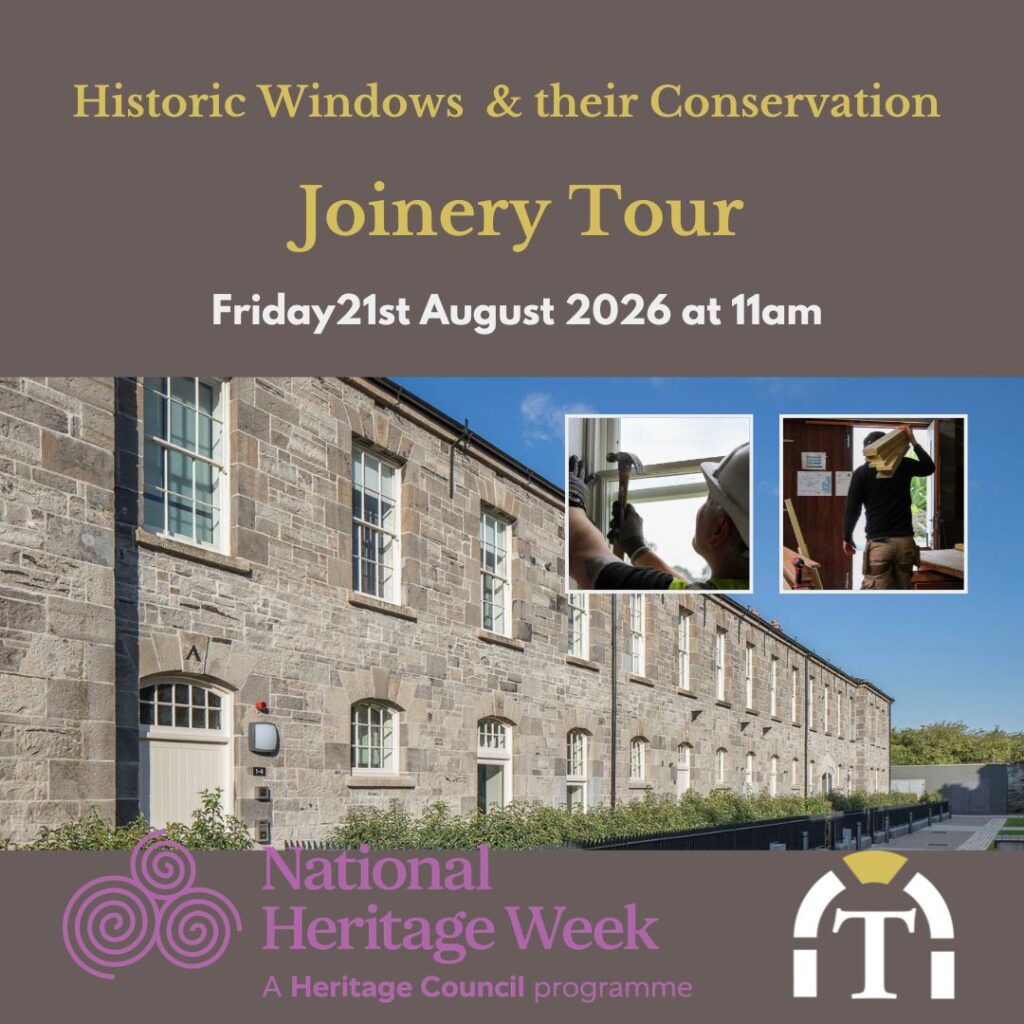
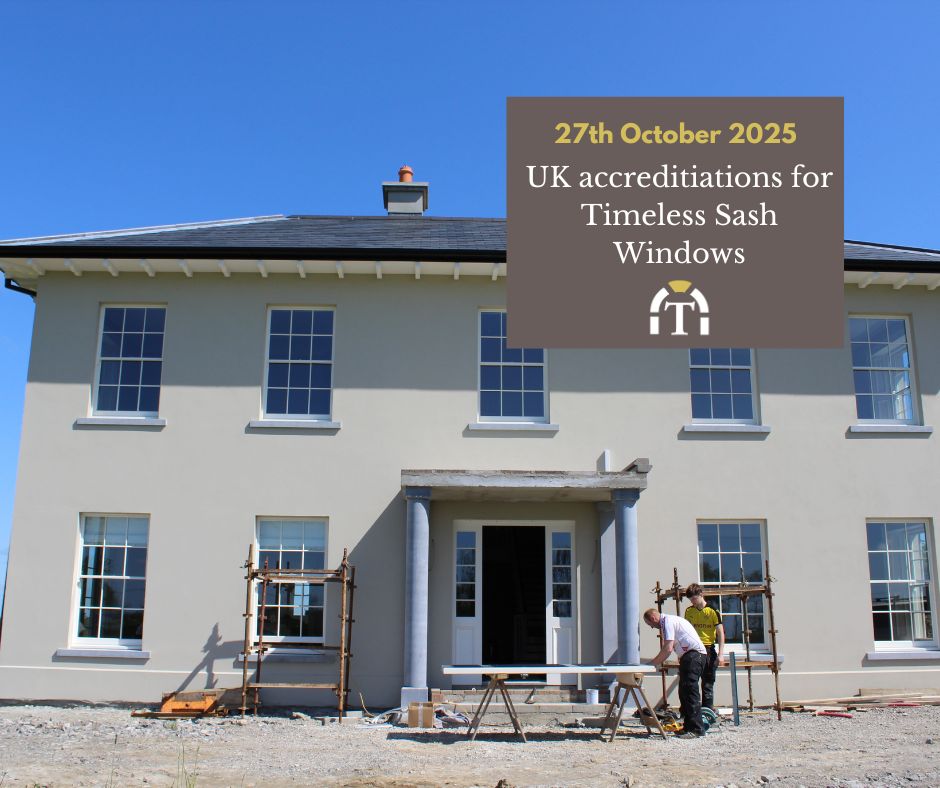
Consider, for a moment, historic windows. These are not mere openings for light; they are integral to a building’s character, dictating its rhythm, proportion, and even its thermal performance in an era before modern insulation. For us in Ireland and the UK, the variety is immense, from the small, thick-paned windows of the 1600s to the elegant sash windows of Georgian and Victorian terraces, and the distinctive casements of Edwardian and Arts and Crafts buildings.
Repurposing these structures for modern living often brings immediate challenges regarding windows:
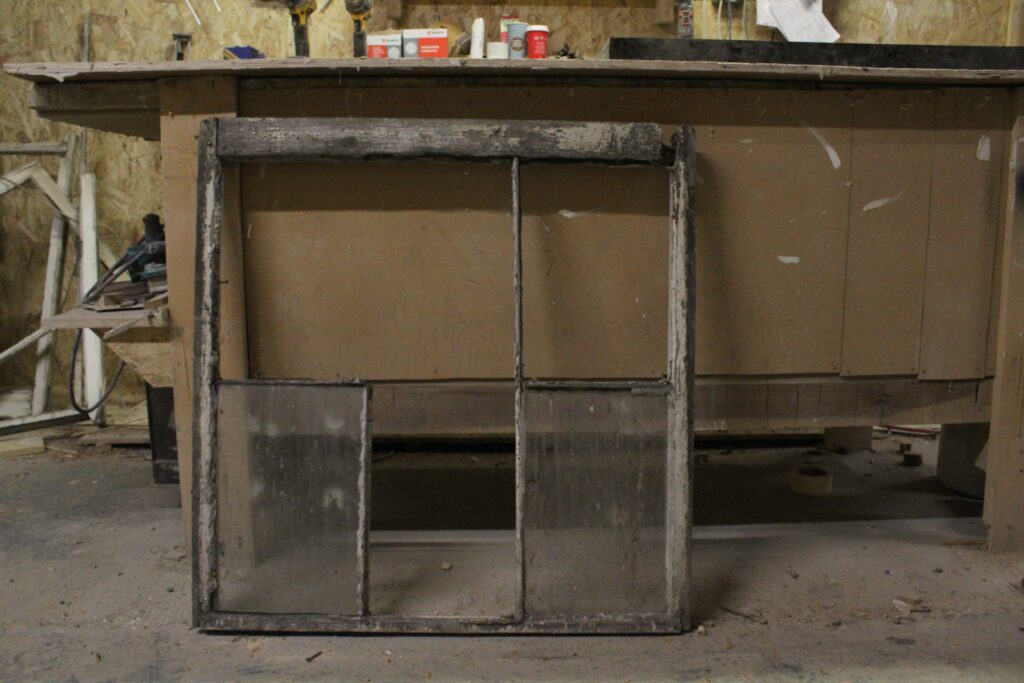
- Thermal Performance Historic windows, while beautiful, often fall short of modern energy efficiency standards. Single glazing with a U-value of approx 5.7 is vastly different to a vacuum glazed unit with a U-value of 0.7. Not only the glass, though. We must also consider that there are often draughts that come in around the frame and the sashes themselves. Therefore, upgrading these windows without replacing them is key. This might involve secondary glazing, discreetly installed to maintain external appearance and keeping the original window intact, or improving existing timber frames and glass with draught sealing, splice repairs to the timber, and retrofitting slim glazing units if there is no original glass and if the building is not a protected structure (Ireland) / listed building (UK).
- Acoustics Busy urban environments demand better sound insulation than many historic windows can provide. Again, secondary glazing or careful sealing can offer solutions. We additionally have acoustic rated glazing, it is acoustic laminated glass in which one pane of the double glazed unit is laminated (Pilkington Optiphone), e.g. 4-4-6.8mm which can reduce percevied noise by up to 50%, or Fineo vacuum glazing which reduces noise levels by 34% compared to single glazing, or 18% compared to double glazing.
- Fire Regulations & Ventilation Modern building codes impose strict requirements for ventilation and fire escape, which can sometimes be difficult to reconcile with original window designs. Creative architectural solutions are needed that meet these safety standards without visible alteration to the historic facade. All our sash windows on the upper fllors and bedrooms, come with a fire egress restrictor as standard. This is a restrictor which only allows the window to open enough for ventilation, yet in the case of a fire, can be pressed in to open the window fully for escape.
Materiality and Craftsmanship: The timber, glass, and ironmongery of historic windows often represent a level of craftsmanship rarely seen today. Replacing them with modern equivalents, even if “matching,” rarely captures the same patination, subtle imperfections, and enduring quality. Preserving them not only maintains the building’s aesthetic but also sustains traditional skills.
The temptation might be to simply replace them with modern, double-glazed units for ease. However, for architects and conservationists committed to true heritage preservation, this is a path fraught with risk. It fundamentally alters the building’s facade, breaking the visual continuity with its historical context and often diminishing its value. The delicate balance lies in finding innovative solutions that enhance performance while preserving the original fabric and its inherent story.
The Value Proposition (Why Bother?)
Is it just legal, or is it just morally better to retain original windows and buildings? There are a multiude of reasons to argue the case for retention, even though ist would soemtimes be considered easier to simply build a new building that is entirely fit-for-purpose. However, there is huge value, both merit and enivronmental, for adaptive re-use, in addtion to the creative challenge.
Since the year 2000 in Ireland under the Planning & Development Act Part IV, and in the UK since the original Town and Country Planning Act 1968 and later the Planning (Listed Buildings and Conservation Areas) Act 1990., certain buildings and areas that are deemed to be of special importance have been listed or protected. Such buildings require planning permission for any major alterations, and it is helpful the enlist the local conservation architect at the outset.
The effort involved in this intricate process is more than justified. By breathing new life into our historic buildings while respecting their past, we:
- Enrich Urban Vitality: We create unique, characterful places that attract residents, businesses, and visitors, fostering vibrant local economies and distinct urban identities.
- Preserve Cultural Identity: We ensure that future generations can physically engage with their history, strengthening their sense of place and understanding of their heritage.
- Champion Sustainability: We lead by example in sustainable development, demonstrating that the greenest building is often one that already exists.
- Inspire Innovation: The very constraints of working with historic buildings push us to develop creative and ingenious design solutions that often surpass those applied to new builds.
The future of our urban centres in Ireland and the UK depends on our ability to navigate this complex yet incredibly rewarding path. It demands not just technical expertise, but also a deep reverence for our past and an innovative spirit to ensure our built heritage continues to thrive in the modern world. Let’s continue to champion intelligent conservation and adaptive reuse, ensuring our historic windows, and indeed our entire urban fabric, continue to tell their invaluable stories for centuries to come.
At Timeless Sash WIndows, innovation and sustainability are two of our core vlaues. Additonally our mission to preserve history, elevate comfort and inspire pride in every home and building we touch, aligns with these sentiments entirely.